

Trauma isn’t always something you can see.
Many people continue going to work, caring for their families, and managing everyday responsibilities while carrying the effects of painful experiences beneath the surface. From the outside, everything may appear normal. Inside, however, they may feel constantly on edge, emotionally disconnected, or exhausted from trying to hold everything together.
One of the reasons trauma can be so confusing is that it doesn’t always stay connected to the event itself. Long after a difficult experience has ended, your mind and body may continue reacting as though you’re still in danger.
What Is Trauma?
Many people hear the word trauma and immediately think of catastrophic events.
While trauma can develop after experiences like serious accidents, abuse, violence, or natural disasters, it isn’t limited to those situations.
So, what is trauma?
Trauma is the emotional, psychological, and physical response to an experience that overwhelms your ability to cope. Two people can go through similar events and respond very differently because trauma isn’t defined only by what happened, it’s also shaped by how the experience affected your nervous system, your sense of safety, and the support you had afterward.
Trauma can result from:
- Childhood neglect or abuse
- Emotional or psychological abuse
- Domestic violence
- Bullying
- Losing someone important
- Serious illness or injury
- Car accidents
- Medical procedures
- Sudden life changes
- Witnessing frightening events
Some experiences happen once. Others develop slowly through months or years of ongoing stress, criticism, or instability.
No matter how trauma develops, its effects can extend far beyond the original event.
What Is Emotional Trauma?
When people think about trauma, they often focus on physical danger.
But what is emotional trauma?
Emotional trauma happens when an experience leaves a lasting psychological impact, even if there was no physical injury. Feeling repeatedly rejected, humiliated, controlled, abandoned, or emotionally unsafe can affect the nervous system just as deeply as other traumatic experiences.
Because emotional trauma isn’t always visible, people sometimes minimize what they’ve been through.
You might tell yourself:
- “Other people have had it worse.”
- “It wasn’t that bad.”
- “I should be over it by now.”
These thoughts are common, but they don’t erase the impact the experience had on you.
Your emotions and your nervous system respond to how safe or unsafe you felt, not to whether someone else believes your experience was traumatic enough.
How Does Trauma Affect the Brain?
The answer to the question, “How does trauma affect the brain?” helps explain why trauma can continue influencing everyday life long after the original event has passed.
Your brain is designed to keep you safe.
When something frightening or overwhelming happens, your nervous system activates its survival response, often called fight, flight, freeze, or fawn.
During trauma, parts of the brain responsible for detecting danger become highly active, while areas involved in logical thinking, memory, and decision-making become less effective.
For some people, that survival response settles once the danger has passed.
For others, especially after repeated or overwhelming experiences, the brain continues scanning for threats even when life is relatively safe.
This can lead to:
- Feeling constantly alert
- Being easily startled
- Difficulty concentrating
- Racing thoughts
- Trouble sleeping
- Emotional numbness
- Strong reactions to situations that seem small to others or even self
These reactions aren’t intentional, they’re the result of trauma and they’re signs that your brain learned to prioritize protection.
Trauma Doesn't Stay in the Past
One of the biggest misconceptions about trauma is that it only affects people when they think about what happened.
In reality, trauma often appears in everyday moments.
A disagreement with your partner may feel far more threatening than it objectively is.
Receiving constructive feedback at work might trigger intense shame.
A crowded grocery store could leave you feeling anxious without understanding why.
Trauma changes how your mind interprets safety, connection, and uncertainty.
Sometimes you know exactly what triggered your reaction.
Other times, your body reacts before your mind has time to understand what’s happening.
This disconnect can feel confusing, but it’s incredibly common among people living with unresolved trauma.
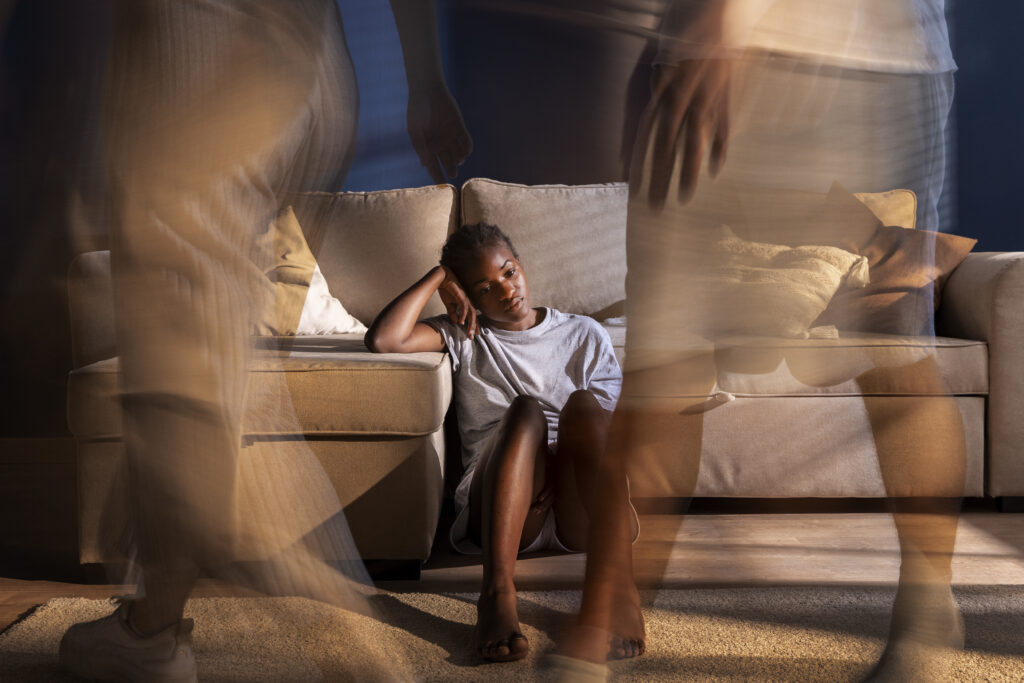
Emotional Effects of Trauma
Trauma affects much more than memories.
It can change the way you experience emotions every day.
Some people feel everything intensely.
Others struggle to feel much of anything at all.
Common emotional experiences include:
- Anxiety
- Irritability
- Sadness
- Shame
- Guilt
- Emotional numbness
- Fear
- Difficulty trusting others
- Feeling disconnected from yourself
These emotions often fluctuate.
Some days may feel manageable, while others seem unexpectedly overwhelming.
Healing doesn’t mean never experiencing difficult emotions again. It means learning to understand them, respond to them differently, and gradually feel safer within yourself.
Physical Symptoms Can Be Part of Trauma Too
Trauma doesn’t only affect thoughts and emotions.
Your body remembers stress as well.
Many people experience:
Physical symptom | Why it may happen |
Muscle tension | The body remains prepared to react to danger. |
Headaches | Ongoing stress can contribute to physical tension. |
Digestive issues | The nervous system influences digestive function. |
Fatigue | Remaining in survival mode requires significant energy. |
Difficulty sleeping | Your brain may struggle to fully relax at night. |
Rapid heartbeat | The body’s stress response activates even without immediate danger. |
These symptoms don’t necessarily mean trauma is the only cause, but they highlight the close connection between emotional experiences and physical health.
Understanding that connection often helps people feel less confused about what they’re experiencing.
Trauma Can Affect Relationships
Trauma doesn’t happen in isolation, and neither does healing.
Many people notice changes in their relationships long before they recognize trauma’s influence.
You may struggle to trust others, fear abandonment, avoid vulnerability, or become highly sensitive to criticism.
Others respond by withdrawing emotionally, keeping people at a distance, or feeling responsible for everyone else’s happiness.
These patterns usually develop as protective strategies.
At one point, they may have helped you feel safer.
Over time, however, they can make close relationships more difficult to maintain.
Recognizing these patterns isn’t about blaming yourself. It’s about understanding how past experiences continue shaping present relationships, and realizing that those patterns can change.
How Childhood Trauma Can Continue Into Adulthood
Early experiences help shape the way we understand ourselves, other people, and the world around us.
When those early years include chronic stress, neglect, criticism, instability, or abuse, the nervous system adapts in order to survive. Those adaptations can be helpful during childhood, but they may become difficult to carry into adult life.
Many adults don’t immediately connect their current struggles to earlier experiences. Instead, they notice patterns such as:
- Feeling responsible for everyone else’s emotions.
- Struggling to trust people.
- Constantly expecting rejection.
- Difficulty setting healthy boundaries.
- Feeling like they always need to prove their worth.
- Becoming overwhelmed by conflict or criticism.
These patterns aren’t personality flaws. They’re often protective strategies that developed during childhood.
Understanding this connection can be incredibly freeing. It shifts the question from “What’s wrong with me?” to “What happened that taught me to respond this way?”
Can Trauma Affect Work and Everyday Responsibilities?
Absolutely.
Trauma doesn’t stay neatly separated from work, parenting, friendships, or daily routines.
Some people become perfectionists because making mistakes never felt safe.
Others struggle to concentrate, procrastinate, or feel overwhelmed by tasks that once seemed manageable.
You might notice:
- Difficulty making decisions.
- Trouble focusing during meetings.
- Feeling emotionally drained after social interactions.
- Constantly preparing for worst-case scenarios.
- Becoming exhausted even after a relatively quiet day.
- Feeling like you’re always “on.”
Because these struggles often develop gradually, many people assume they’re simply bad at managing stress.
In reality, unresolved trauma can make ordinary responsibilities require far more emotional energy than they otherwise would.
How to Heal From Trauma
There isn’t one perfect roadmap for recovery.
If you’re searching for how to heal from trauma, it’s important to know that healing rarely means forgetting what happened. Instead, it’s about reducing the impact those experiences continue to have on your daily life.
Healing often begins with creating safety.
For some people, that’s finding supportive relationships.
For others, it’s learning to recognize their emotional responses without immediately judging themselves.
Helpful steps can include:
- Building consistent daily routines.
- Practicing grounding techniques during stressful moments.
- Prioritizing rest and self-care.
- Learning healthy emotional regulation skills.
- Spending time with supportive people.
- Seeking professional therapy.
Small, consistent changes are often more sustainable than trying to transform everything at once.
Healing is rarely linear. There will be easier days and more challenging ones, but progress is measured by greater flexibility, self-awareness, and self-compassion, not perfection.
How to Heal From Childhood Trauma
Learning how to heal from childhood trauma often involves recognizing that the beliefs you developed as a child may no longer serve you as an adult.
For example, if you learned that expressing emotions wasn’t safe, you may now find it difficult to ask for help or communicate your needs.
If you grew up feeling responsible for other people’s feelings, setting boundaries may feel uncomfortable or even selfish.
Healing involves gently questioning those old survival strategies rather than criticizing yourself for having them.
Many people find it helpful to:
- Learn about attachment and emotional development.
- Practice identifying and naming emotions.
- Develop healthier boundaries.
- Build relationships that feel safe and supportive.
- Work with a trauma-informed therapist.
Over time, these experiences help create new patterns that feel more aligned with who you are today, not just who you needed to be to survive.
How Therapy Can Support Trauma Recovery
Healing from trauma doesn’t mean reliving every painful memory.
At Thrive Clinical Counselling, we believe therapy should move at a pace that feels safe, collaborative, and respectful of your experiences.
Rather than following a rigid formula, therapy is tailored to your unique history, goals, and needs.
Together, you and your therapist may explore:
- How past experiences continue influencing daily life.
- Patterns in relationships.
- Emotional regulation strategies.
- Practical coping skills for everyday stress.
- Ways to rebuild trust in yourself and others.
- Long-term goals for sustainable growth.
Our approach combines evidence-based practices with genuine human connection because meaningful healing comes through both understanding and practical change.
Frequently Asked Questions
Can trauma affect you even if it happened years ago?
Yes. Trauma doesn’t follow a timeline. Some people notice its effects immediately, while others recognize patterns years later during major life transitions, relationships, or periods of increased stress.
Does everyone respond to trauma the same way?
No. People respond differently based on many factors, including their age, previous experiences, support system, and individual nervous system. Two people can experience the same event and have very different reactions.
Is it possible to fully recover from trauma?
Recovery doesn’t mean pretending the past never happened. It means developing a healthier relationship with those experiences so they no longer control your thoughts, emotions, relationships, or everyday decisions.
When should I consider therapy?
If trauma is affecting your relationships, emotional well-being, physical health, work, or overall quality of life, therapy can provide support, practical tools, and a safe place to begin healing.
Healing Is Possible
Trauma can influence the way you think, feel, connect with others, and experience the world around you. But it doesn’t have to define the rest of your life.
At Thrive Clinical Counselling, we believe healing is reconnecting with yourself, developing greater self-trust, and creating a life that feels more grounded, connected, and aligned with who you are today.